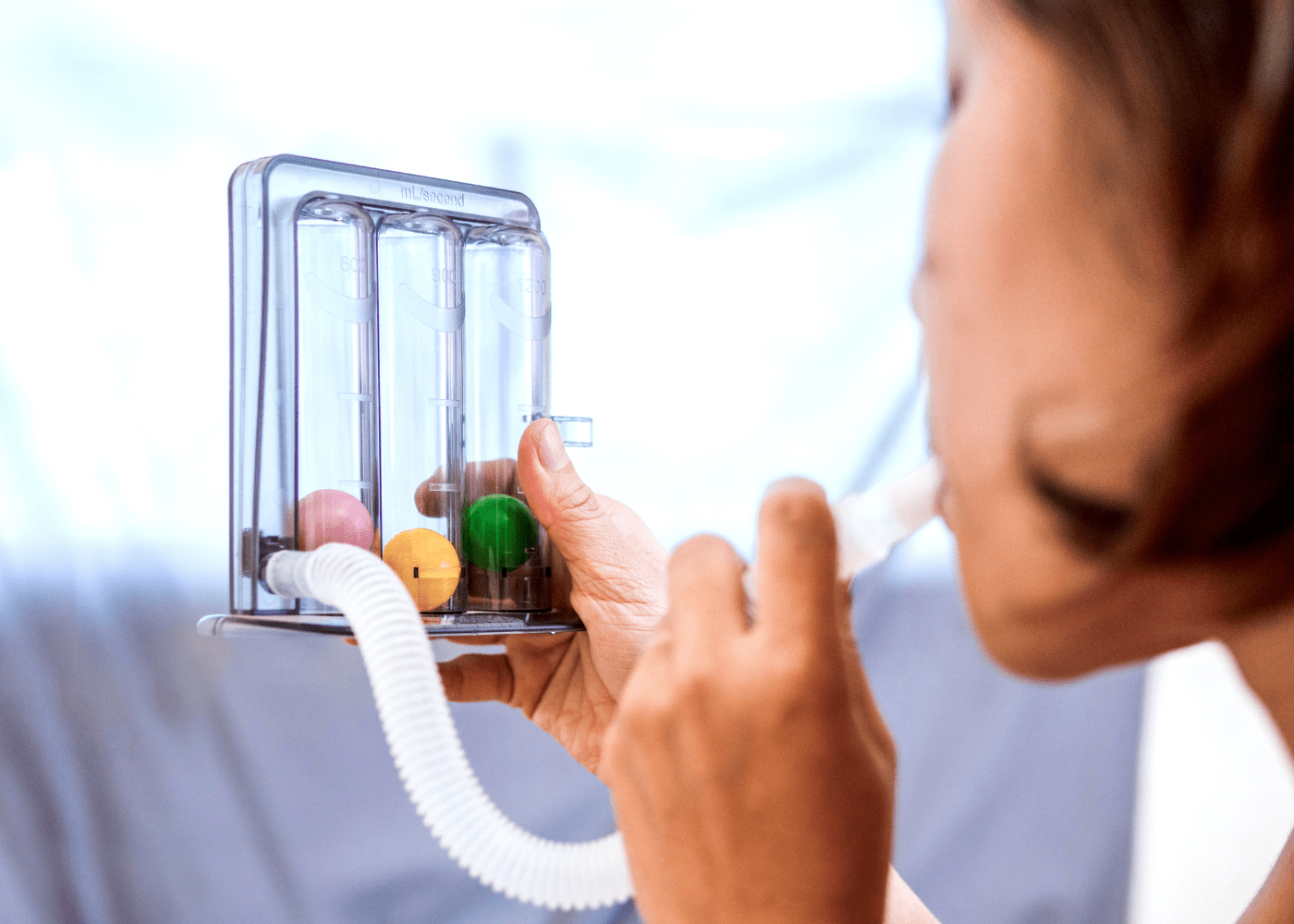
Spirometry is a simple, painless, and reliable test used to evaluate lung function in children. It is a fundamental tool in pediatric pulmonology, as it aids in the diagnosis, monitoring, and assessment of the severity of respiratory diseases.
What is spirometry:
Spirometry measures the volume and flow of air that the child inhales and exhales. Using a specialized device (spirometer), important parameters of pulmonary function are recorded, such as:
- Forced Vital Capacity (FVC)
- Forced Expiratory Volume in the first second (FEV1)
- the FEV1/FVC ratio
These indices help identify obstructive or restrictive breathing disorders.
When does a child need spirometry:
The test is recommended in cases such as:
- persistent or chronic cough
- suspected asthma or monitoring of already diagnosed asthma
- frequent respiratory infections
- dyspnea or wheezing, especially during exercise
- evaluation of response to treatment
- assessment of respiratory function in children with chronic diseases.
From what age can it be performed?
It is usually performed in children over 4 years of age, as it requires cooperation and proper execution of breathing maneuvers. With appropriate guidance from specialized staff, the test is performed easily and reliably.
How the test is performed:
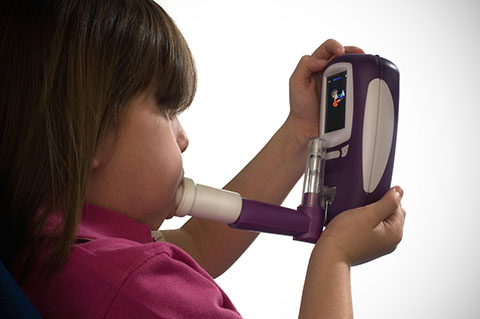
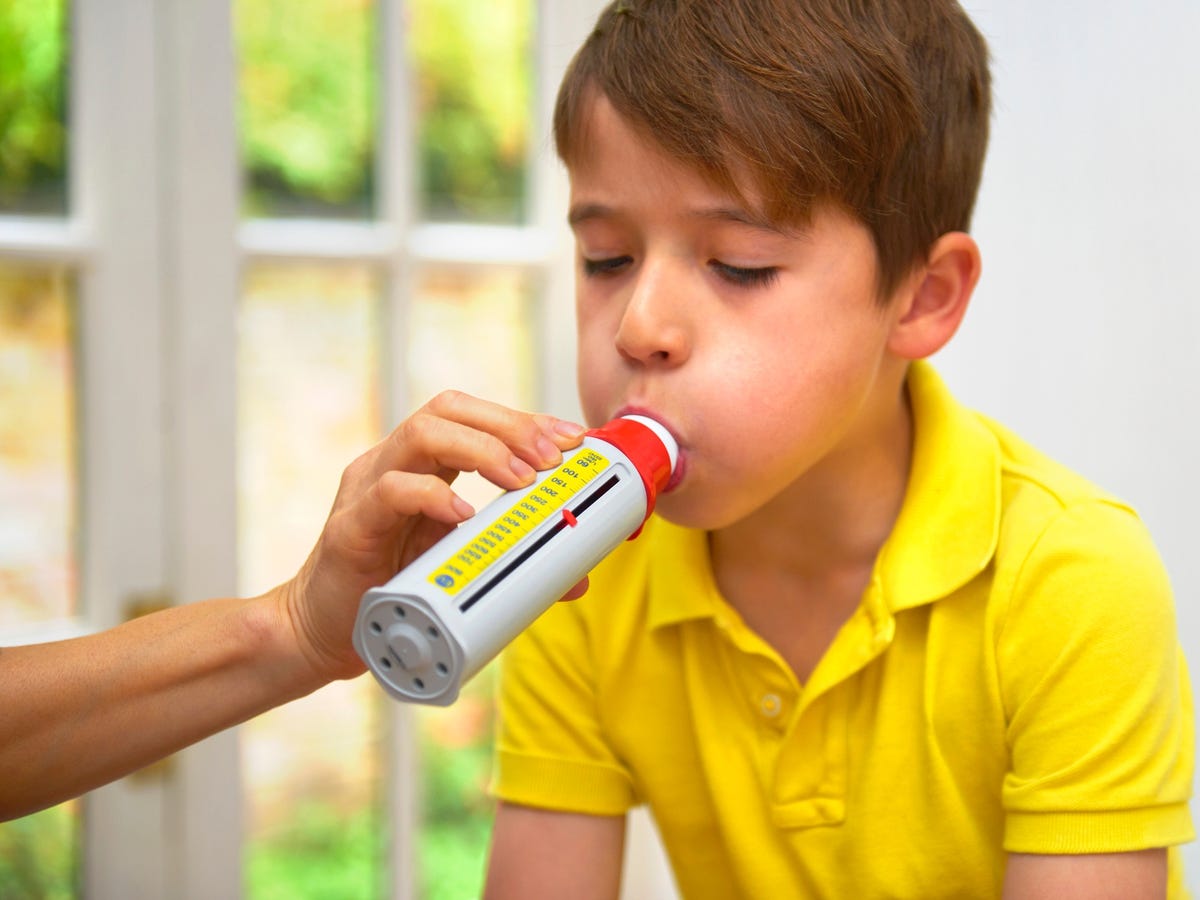
The child is asked to take a deep breath and then exhale forcefully and continuously into the mouthpiece of the spirometer. The procedure is repeated a few times to ensure reliable results.
In certain cases, a bronchodilation test is also performed, where the test is repeated 20 minutes after administration of an inhaled medication, to assess the reversibility of the obstruction.
Is the spirometry procedure safe?
Spirometry is a completely safe and non-invasive test, with no side effects. It takes only a few minutes and causes no pain or discomfort. It is important to ask the family whether there are any contraindications for spirometry, such as a history of recent pneumonia, pneumothorax, or intolerance to salbutamol.
Why it is important?
Early and proper evaluation of pulmonary function allows:
- early diagnosis of respiratory conditions
- individualization of treatment
- monitoring of disease progression
- improvement of the child's quality of life.
An individualized assessment by a pediatric pulmonologist is essential, as it provides all the necessary information regarding the child's diagnosis, the appropriate therapeutic approach, and a follow-up plan.