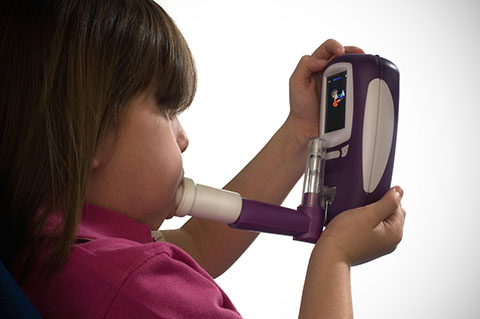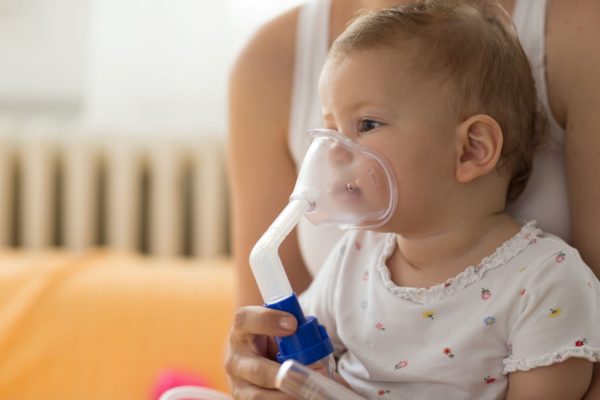
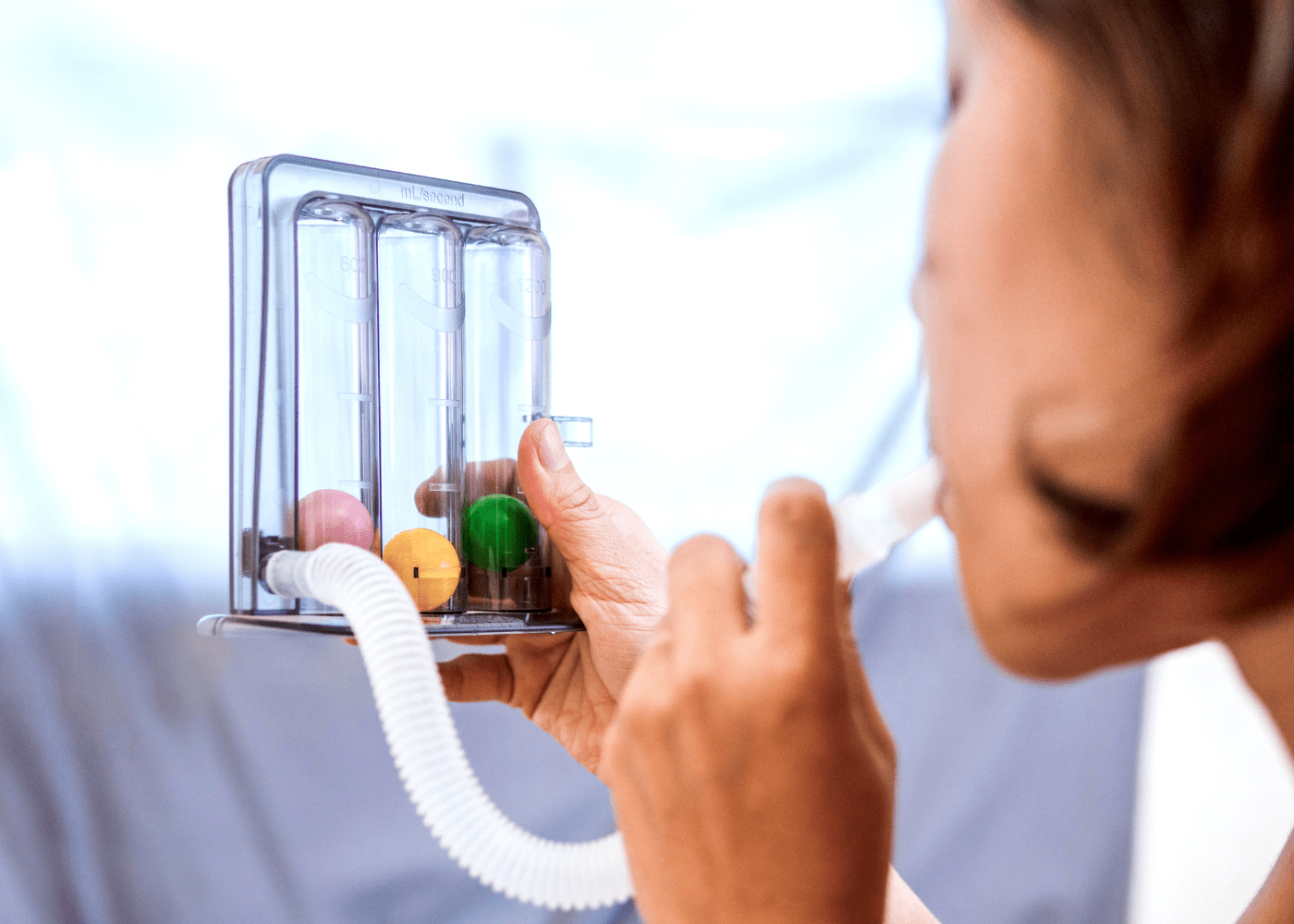
Post-exercise spirometry is a specialized lung function test performed by a pediatric pulmonologist, primarily used to investigate exercise-induced asthma and other respiratory disorders that occur during physical activity.
It is a painless and safe procedure, ideal for children who experience breathlessness, coughing or chest discomfort during play or sports.
What is post-exercise spirometry?
During the examination, the child performs mild to moderate physical exercise (e.g. running or ergometric exercise) followed by spirometry before and after exertion.
This allows assessment of:
- whether respiratory function decreases after exercise
- whether bronchospasm occurs
- the presence of exercise-induced asthma
- the overall response of the lungs to physical activity
The results are immediate and enable accurate diagnosis.
When is it needed in a child?
The examination is recommended when the child presents with:
- coughing or wheezing after play
- easy fatigue or breathlessness
- discomfort or chest pain with exercise
- reduced endurance in sports
- suspected exercise-induced asthma
- unexplained decline in athletic performance
It is usually performed in school-age children who can cooperate.
How is the examination performed?
The examination includes:
- baseline spirometry
- brief controlled exercise
- repeated breathing measurements
The total duration is approximately 20-30 minutes.
Why is it important?
Post-exercise spirometry helps:
- diagnose exercise-induced asthma
- properly adjust medication
- ensure the child's safe participation in sports activities
- improve quality of life
- prevent episodes of dyspnea
With proper guidance, most children can continue playing and participating in sports normally.
If your child experiences respiratory symptoms during physical activity, post-exercise spirometry by a pediatric pulmonologist is an essential step for accurate diagnosis and individualized management.